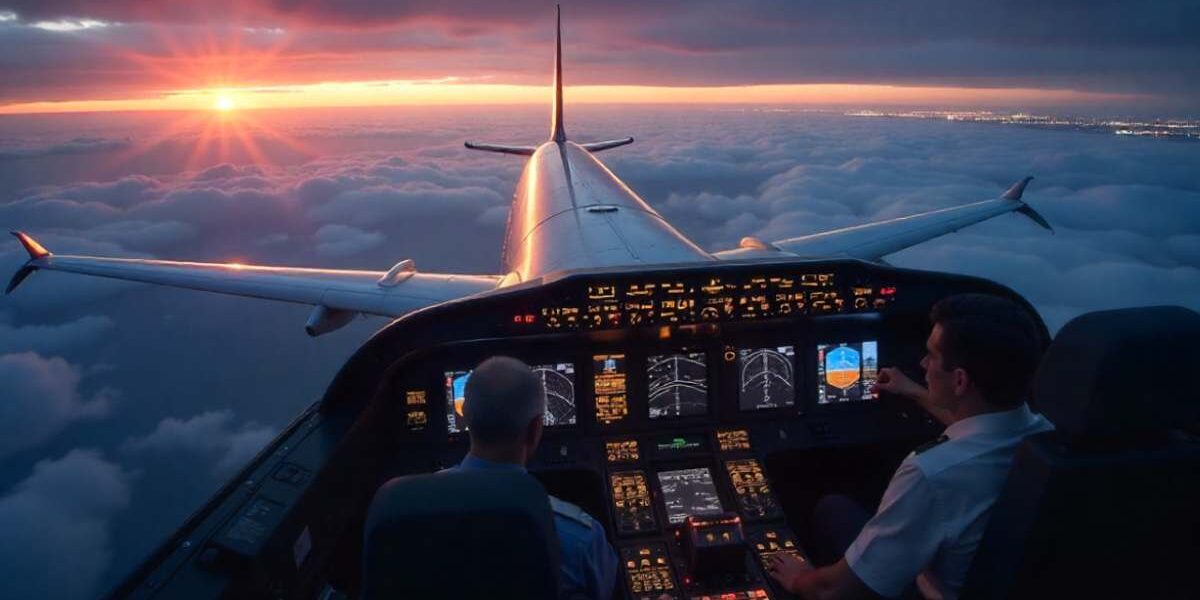
Delta Flight DL275 diverted LAX on [October 6, 2025], leaving passengers and aviation watchers asking the same question: what went wrong? The long-haul flight, operated by a Delta Boeing 767 on its route from Tokyo to Atlanta, was forced to make an unplanned stop at Los Angeles International Airport.
The sudden diversion sparked concern. For travelers mid-journey, the unexpected change created uncertainty and raised worries about safety. Aviation incidents like this also highlight just how critical mid-air systems are—and how quickly things can shift when one fails.
So, what exactly caused Delta DL275 to land in LAX instead of reaching its intended destination? Reports point to an engine anti-ice system failure, a technical issue that demanded immediate attention. In this article, we’ll break down what happened inside the cockpit, how the crew responded, and what it means for both safety protocols and passengers.
Background of Delta Flight DL275
Regular Route and Schedule
Delta Flight DL275 is a long-haul transpacific service, typically operating between Tokyo Haneda (HND) and Atlanta Hartsfield-Jackson (ATL). As part of Delta’s global network, the route is designed to connect Asian business hubs with the U.S. southeast. The flight often runs overnight, offering connections to dozens of U.S. cities.
The aircraft assigned is usually the Boeing 767-300ER, a twin-engine widebody jet well-known for transoceanic reliability. Delta configures this aircraft with multiple cabins, including Delta One, Premium Select, Comfort+, and Main Cabin seating, making it a popular choice for both business and leisure travelers.
Operational History
DL275 has historically been a stable and well-regarded route, with Delta maintaining strong on-time performance across its Pacific operations. While delays or cancellations are not uncommon in international aviation, diversions of DL275 are rare. Delta’s reputation in transpacific service has remained solid, with passengers often praising safety and professional handling during irregular operations.
What Happened During the Incident
Timeline of the Diversion
On October 6, 2025, Delta flight DL275 departed from Tokyo Haneda on schedule. Several hours into the journey, while cruising over the Pacific Ocean, the crew detected a technical issue with the engine anti-ice system. This system prevents dangerous ice buildup on engine inlets during high-altitude operations.
Given the malfunction, the pilots made the decision to divert the aircraft rather than risk continuing across the ocean. The closest suitable hub was Los Angeles International Airport (LAX). Within hours, the Boeing 767 safely touched down in Los Angeles.
Pilot and Crew Response
The cockpit crew followed established Delta emergency protocols, coordinating with air traffic control and LAX operations to ensure a smooth diversion. Communication with passengers remained calm and professional, minimizing panic. Flight attendants conducted standard safety reassurances and prepared the cabin for an unexpected landing.
Passenger Experience
Passengers reported mixed emotions—concern at the sudden diversion, but also relief at the smooth handling of the situation. Some took to social media, noting that while delays were inconvenient, the landing itself was uneventful and professional. Many highlighted the crew’s transparency and steady updates as reassuring during the diversion.
Possible Reasons for the Diversion
Medical Emergency Onboard
Airlines frequently divert flights when passengers face medical crises. Though not the case with DL275, it’s a reminder that passenger health can often outweigh schedule commitments.
Mechanical or Technical Issues
The most likely cause, and reported reason here, was a mechanical fault—specifically, the engine anti-ice failure. In aviation, any suspected malfunction with critical safety systems triggers a diversion to the nearest major airport with repair capabilities.
Weather and Airspace Factors
Though weather wasn’t a factor in this diversion, storms, turbulence, or airspace restrictions can also force unscheduled landings. LAX’s role as a major hub makes it a natural diversion point for transpacific flights.
Official Statements and Airline Response
Delta Airlines confirmed that Delta flight DL275 diverted to LAX due to a technical issue with the engine anti-ice system. The airline stressed that passenger safety was never compromised and praised the crew for their decisive response.
Authorities at LAX and the FAA supported the diversion and confirmed no injuries were reported. After landing, passengers were rebooked on later flights to Atlanta, with accommodations provided for those facing long delays.
Passenger Safety and Airline Protocols
How Delta Prioritizes Passenger Safety
Delta follows strict safety standards, including FAA-mandated checks and internal audits. When systems fail mid-flight, immediate diversion is standard practice. The airline invests heavily in pilot training, ensuring crews can manage technical issues calmly and effectively.
The Importance of Diversion Decisions
Diversions aren’t signs of failure—they are preventive measures. By landing at LAX, Delta minimized risk and ensured both passengers and crew avoided potential danger over open water.
Impact on Flights and Travelers
The DL275 diversion disrupted connecting schedules for dozens of travelers. Some missed onward flights from Atlanta, while baggage rerouting required additional coordination. Delta provided rebooking, vouchers, and communication assistance to ease the disruption.
Public and Media Reactions
The diversion quickly made headlines, with aviation blogs, news outlets, and passengers posting real-time updates on Twitter/X and Reddit. Media coverage emphasized the safe landing, while public sentiment largely praised Delta’s professionalism. Still, the incident temporarily sparked concern about aging aircraft fleets.
Lessons Learned and Industry Takeaways
The DL275 incident underscores how airlines constantly improve crisis management and transparency. Industry experts highlight that diversions remind passengers of the redundancy and safety-first mindset that defines modern aviation.
Clear communication, quick decisions, and robust emergency systems remain the pillars of passenger confidence.
Conclusion
The DL275 diversion to LAX shows why aviation safety protocols are vital. Delta’s crew acted decisively, landing safely and protecting passengers from potential risks. While diversions are inconvenient, they reaffirm that safety comes first in modern air travel.