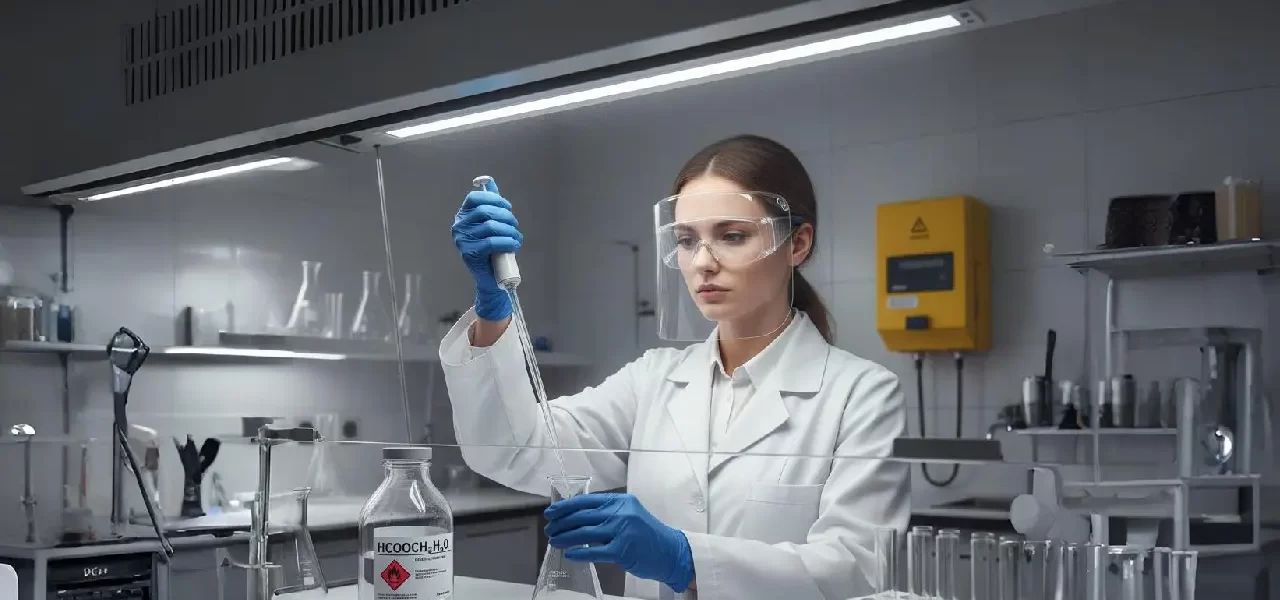
HCOOCH CH2 H2O a chemical compound commonly found in research laboratories and certain industrial settings, is more than just a liquid in a bottle. Chemically, it is an ester that can participate in various reactions, making it extremely useful in organic synthesis. However, despite its utility, its reactive nature means mishandling can lead to serious consequences. Whether you are a lab technician, a student, or an industrial worker, understanding this compound is the first step toward safe handling.
Why Safety Is Crucial
You might think, “It’s just a chemical—I’ll be fine.” But even small amounts of HCOOCH CH2 H2O can irritate skin, damage eyes, or affect the respiratory system. Beyond personal safety, improper handling can harm the environment, contaminate water sources, or trigger accidental fires. Safety isn’t optional—it’s your shield against unpredictable risks.
Chemical Properties of HCOOCH CH2 H2O
Physical Characteristics
HCOOCH CH2 H2O is a colorless, slightly viscous liquid with a faint, pungent odor. It mixes moderately with water but can behave differently depending on temperature and concentration. Its molecular structure allows it to act as both a solvent and a reactive agent, making it versatile yet potentially hazardous if ignored.
Chemical Reactivity
Interaction with Water
Unlike some chemicals that remain inert in water, HCOOCH CH2 H2O reacts slowly when exposed to moisture. This hydrolysis releases a small amount of heat, which in confined spaces or with large quantities, can escalate. Imagine pouring a glass of water into a heated pan—it seems harmless at first, but reactions can surprise you.
Interaction with Other Chemicals
Mixing HCOOCH CH2 H2O with strong acids or bases can lead to vigorous reactions, sometimes producing irritating fumes or even minor explosions. Organic oxidizers are particularly risky companions, as they may trigger rapid decomposition. Think of it like mixing baking soda and vinegar—but on a chemical level that could harm you. Always know your chemical neighbors before they meet.
Common Hazards Associated with HCOOCH CH2 H2O
Health Hazards
Skin and Eye Irritation
Contact with HCOOCH CH2 H2O can cause redness, itching, or even chemical burns. Splashing into the eyes is especially dangerous, potentially causing severe irritation or temporary blindness. Protective gloves and goggles are not just formalities—they are your first line of defense.
Respiratory Effects
Inhaling vapors, especially in poorly ventilated areas, can irritate the nose, throat, and lungs. Symptoms may include coughing, shortness of breath, or a burning sensation. It’s like walking into a cloud of smoke—you don’t want to do it without proper protection.
Environmental Hazards
Spilling HCOOCH CH2 H2O on the ground or into water bodies can disrupt ecosystems. Aquatic life is particularly vulnerable, and even small concentrations can have lasting impacts. Responsible handling is an environmental duty, not just a workplace requirement.
Fire and Explosion Risks
Though HCOOCH CH2 H2O isn’t highly flammable, heat and sparks can trigger ignition. Imagine it as a dormant fire waiting for the wrong conditions to flare up. Keep it away from flames, high temperatures, or incompatible materials.
Personal Protective Equipment (PPE)
Gloves and Protective Clothing
Your skin is the largest organ in your body and the most exposed. Wearing chemical-resistant gloves—nitrile or neoprene—and long-sleeved lab coats ensures that your skin remains shielded. A small splash can be avoided, but with PPE, even a big spill won’t immediately harm you.
Eye and Face Protection
Goggles and face shields prevent liquid or vapor contact with sensitive areas like eyes and face. Consider them your safety goggles for real life—they make a huge difference when accidents happen.
Respiratory Protection
If you’re handling HCOOCH CH2 H2O in an area with limited ventilation, a respirator equipped with organic vapor cartridges is essential. Think of it like an invisible umbrella for your lungs, blocking harmful vapors before they reach your respiratory system.
Safe Storage Guidelines
Temperature and Ventilation
Store HCOOCH CH2 H2O in a cool, dry, well-ventilated location. Avoid direct sunlight or heating elements, as even mild warming can increase vapor pressure and accidental exposure risks.
Container Compatibility
Glass containers or specific chemical-resistant plastics are ideal. Avoid metals that may corrode or react, potentially creating leaks or dangerous reactions.
Segregation from Incompatible Chemicals
HCOOCH CH2 H2O should never be stored near strong acids, bases, or oxidizers. Keep incompatible chemicals in separate, labeled cabinets to prevent accidental reactions. Think of it as social distancing for chemicals—it prevents messy conflicts.
Safe Handling Procedures
Workplace Safety Practices
Always work under fume hoods or in well-ventilated areas. Keep emergency equipment—eyewash stations, fire extinguishers, first aid kits—readily accessible. Treat every handling procedure as if it could go wrong because, honestly, it could.
Proper Transfer and Dispensing Techniques
Avoid pouring directly from large containers. Use funnels, pipettes, or automated dispensers to control flow and prevent splashing. Slow, careful handling beats rushing every time.
Avoiding Spills and Leaks
Spills are preventable if you handle containers with both hands, use proper tools, and keep lids tightly closed. Accidental spills can lead to exposure, reactions, or environmental contamination, so prevention is key.
Emergency Measures
First Aid Procedures
- Skin Contact: Immediately wash with plenty of water and mild soap for at least 15 minutes. Remove contaminated clothing.
- Eye Contact: Rinse thoroughly for at least 15 minutes and seek medical help.
- Inhalation: Move to fresh air immediately, and get medical attention if symptoms persist.
Firefighting Measures
Use foam, dry chemical, or CO₂ extinguishers. Avoid water jets if the chemical reacts with water, as it can worsen the fire.
Spill Cleanup Procedures
Contain the spill with absorbents like sand or inert material. Collect and dispose of waste in compliance with local chemical disposal laws. This prevents environmental contamination and keeps the workplace safe.
Waste Disposal and Environmental Considerations
Proper Disposal Methods
Never pour HCOOCH CH2 H2O down drains or sinks. Use certified chemical waste containers and follow local disposal guidelines to prevent environmental damage and regulatory penalties.
Minimizing Environmental Impact
Plan your chemical usage carefully to reduce leftover waste. Use spill containment kits and secondary containment trays to prevent accidental leaks into the environment. Small steps make a big difference.
Regulatory Compliance
OSHA and Local Safety Standards
Adhere to OSHA regulations, chemical hygiene plans, and local safety rules to maintain a compliant, safe working environment. Documentation, labeling, and regular audits are essential.
Labeling and Documentation
Clearly label all containers with chemical name, hazards, and date of receipt. Proper documentation ensures traceability and supports emergency response efforts.
Training and Awareness
Educating Staff
Regular training sessions help staff understand HCOOCH CH2 H2O’s risks, safe handling practices, and emergency protocols. Knowledge is the ultimate protective gear.
Conducting Safety Drills
Simulated emergencies, like spill response or fire evacuation, prepare staff to act quickly and efficiently. Drills reduce panic and prevent mistakes when real accidents occur.
Common Mistakes to Avoid
Neglecting PPE
Skipping gloves, goggles, or respirators is one of the most common yet dangerous mistakes. A moment’s laziness can lead to hours of medical treatment.
Improper Storage
Storing chemicals near heat, incompatible compounds, or in damaged containers increases risk. Think of storage as setting the stage—if the foundation is unsafe, accidents are inevitable.
Mishandling Chemical Reactions
Never mix HCOOCH CH2 H2O with unknown substances. Even seemingly harmless experiments can trigger unexpected reactions. Knowledge, patience, and caution are your best allies.
Conclusion
Handling HCOOCH CH2 H2O safely requires more than just common sense—it demands understanding, preparation, and vigilance. By following proper storage, handling, and emergency procedures, and by equipping yourself with the right PPE, you can significantly reduce health risks, protect the environment, and maintain a safe working environment. Safety is a mindset, not a checklist.