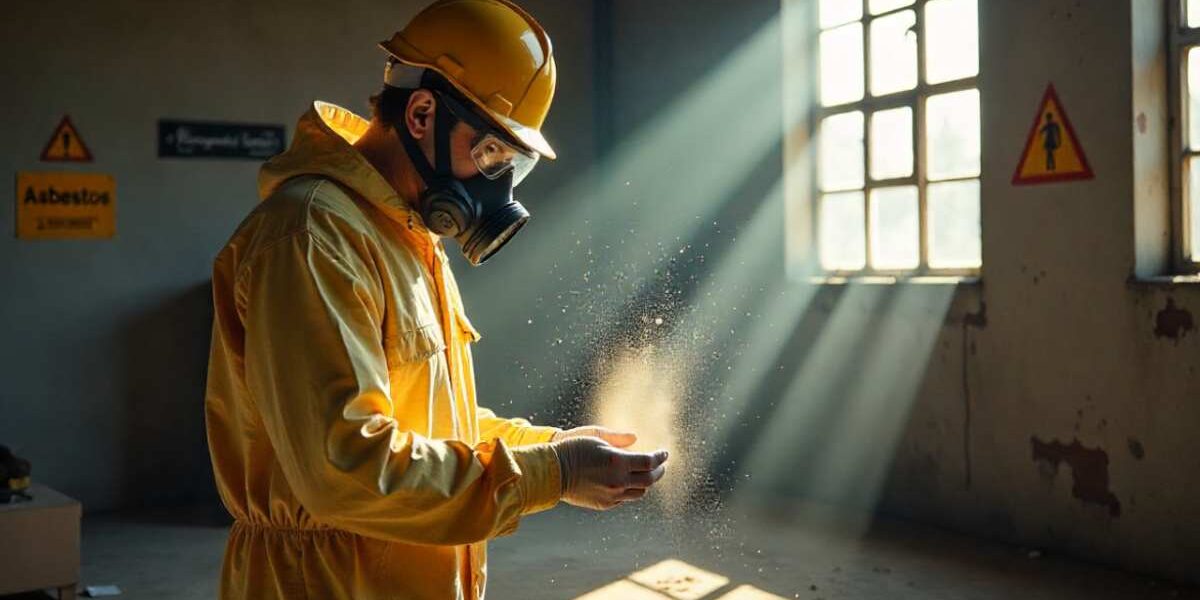
Think of asbestlint as the fine, fluffy cousin of asbestos — microscopic fibers or dust that come from asbestos-containing materials (ACMs) and behave like lint: easy to stir up, easy to inhale, and surprisingly persistent in the air and lungs. In practice, people use the word to describe thin woven tapes, friable dust from old insulation, or the dusty residue that comes off degraded asbestos products. Several recent guides and safety posts define asbestlint as asbestos-containing tape or lint-like asbestos dust found in buildings.
Why this topic matters today
You might assume asbestos is “old news” — banned, boxed, and buried. Not so. Buildings built or retrofitted before regulations tightened often still hold asbestos materials. When those materials age, get disturbed, or are handled poorly during demolition or renovation, tiny fibers escape as asbestlint — and those fibers are the ones that sneak into lungs and cause disease. That’s why understanding, identifying, and handling asbestlint safely still matters.
A Short History of Asbestos Use
Why asbestos was so popular
For much of the 20th century asbestos was prized like a miracle mineral — heat-resistant, chemically stable, and cheap. Industries used it everywhere: insulation, brake pads, roofing, and textile-like tapes for sealing joints. It was the go-to for fireproofing and insulation, so entire factories and homes were built with it woven into their bones.
Common products and places where it was used
Asbestos wasn’t just in factories. Look behind baseboards, around old boilers, wrapped around pipes as tape, in old cement, ceiling tiles, and some cloth goods. The more porous and friable the material becomes with age, the more likely it is to shed fibers that form asbestlint.
Defining Asbestlint
Is asbestlint a product, dust, or both?
Good question — it’s a bit of both in common usage. “Asbestlint” can refer to the woven tape or cloth products that contained asbestos (a product), and it can also describe the fluffy, lint-like dust composed of asbestos fibers generated when those materials break down. The key is that whether it’s tape or dust, the danger comes from tiny fibers becoming airborne.
How the term likely evolved
The term seems to be a portmanteau — asbestos + lint — created to communicate the idea of small, fiber-like debris. While not a technical term in older occupational literature, asbestlint is now popping up in health and building resources to highlight that asbestos hazards aren’t only big chunks — they can be microscopic and “fluffy,” just like lint.
How Asbestlint Appears and Spreads
Sources: old insulation, tapes, gaskets, and more
Asbestlint often originates from degraded asbestos-containing insulation, friction products (like old brake linings), cloth tapes used to seal pipe joints, and damaged cement. When these materials age, are cut, sanded, or crushed, the fibers are liberated. Even gentle air movement can spread these fibers through ductwork or open windows.
How fibers become “lint” and airborne hazards
Imagine a moth-eaten sweater shedding tiny threads. Replace the sweater with brittle asbestos tape, and you’ve got the picture. Fibers detach as microscopic fragments — invisible to the naked eye — and hang in the air where they can linger or settle on surfaces, later becoming re-suspended when disturbed. That’s the insidious nature of asbestlint.
The Science of Harm — Why Tiny Fibers Cause Big Problems
From inhalation to disease: the biological pathway
When asbestos fibers are inhaled, they bypass nose and throat defenses, lodging deep in the lungs or the pleura (the lining around the lungs). The body’s immune response can’t easily clear these fibers. Over decades, chronic inflammation, scarring, and genetic damage can lead to asbestosis (scarring), lung cancer, and mesothelioma — a cancer highly linked to asbestos exposure.
Asbestlint vs. bulk asbestos — is one more dangerous?
Bulk pieces often seem scarier visually, but friable materials that produce asbestlint are often more dangerous because they readily release fibers. A sealed, intact asbestos panel may be low risk — damaged, crumbled materials producing lint are the primary respiratory hazard. The real danger is airborne fiber concentration and duration of exposure.
Health Risks Associated with Asbestlint
Mesothelioma: the signature cancer
Mesothelioma is a rare but aggressive cancer affecting the lining of the lungs (pleura) or abdomen (peritoneum). It’s strongly linked to asbestos exposure; the latency period is long — often 20–50 years after exposure — which makes it a stealthy and devastating consequence.
Asbestosis and chronic lung disease
Asbestosis is progressive lung scarring from prolonged exposure, leading to breathlessness, chronic cough, and reduced lung function. It’s not cancer, but it greatly impacts quality of life and can increase the risk of other serious respiratory problems.
Lung cancer and other risks
Asbestos exposure also elevates lung cancer risk — and when combined with smoking, the risk multiplies dramatically. Other cancers and gastrointestinal effects have also been linked to asbestos in some studies, so the risk profile is broad.
Who Is at Risk?
Occupations with elevated exposure
Construction workers, shipyard workers, electricians, plumbers, HVAC technicians, and those in demolition or renovation are commonly at risk — especially when working on older buildings. Trades that cut, sand, or disturb ACMs are particularly exposed.
Homeowners and renovators — hidden risks
DIY renovations are a leading modern hazard. Folks tearing into walls or replacing old boilers may unknowingly release asbestlint. If your home was built or remodeled before asbestos bans and regulations became widespread (often pre-1980s), assume the possibility and test before you cut.
How to Identify Asbestlint in Buildings
Visual clues and where to look
Look for old pipe wrap, corrugated insulation, tape around duct seams, damaged ceiling tiles, and insulated boiler casings. Visual inspection can flag suspect materials, but you can’t identify asbestos by sight alone — many harmless materials look similar.
Why sampling and lab tests are necessary
Because appearances deceive, proper identification requires sampling by a certified professional and laboratory analysis. Never take samples yourself — disturbing the material can release more fibers. Professional testing provides the evidence needed to plan safe removal or encapsulation.
Safety, Regulations, and Best Practices
Why DIY removal is a bad idea
Attempting to remove asbestlint-producing materials without training and proper PPE almost guarantees fiber release and higher contamination. Regulations in many countries require licensed asbestos abatement contractors for removal — and for good reason. They follow strict containment, negative-pressure, and disposal protocols to limit exposure.
What certified abatement looks like
A professional abatement team will isolate the work area, use negative air units with HEPA filtration, wet the material to minimize dust, wear appropriate respirators and suits, and bag and label waste for hazardous disposal. Post-work clearance air sampling confirms whether it’s safe to reoccupy the space.
Short checklist for contractors and homeowners
Confirm building age and suspect materials.
Hire licensed asbestos surveyors for testing.
Don’t disturb suspect materials until test results.
Use licensed removal contractors if abatement is needed.
Keep documentation of tests and disposal for future owners.
Practical Steps If You Suspect Exposure
Immediate actions to limit harm
Stop work and evacuate the area. Avoid sweeping or using a regular vacuum — these actions resuspend fibers. Seal off the area if possible and ventilate by opening windows far from the contamination zone (but keep dust movement minimal). Call a licensed inspector right away.
Medical advice and monitoring
If you think you inhaled asbestlint, tell your doctor about the exposure and request a medical evaluation. There’s no immediate blood test for asbestos disease — issues often show up years later — but baseline chest X-rays or pulmonary function tests and regular follow-up may be recommended, especially for workers previously exposed. Early detection can help with management.
Safer Alternatives and Modern Materials
What replaced asbestos-containing products
Modern building and industrial systems use fiberglass, mineral wool, ceramic fibers, foam insulations, and foil-backed tapes instead of asbestos-containing tapes and wraps. These alternatives provide similar thermal and fire resistance without the fiber toxicity.
Choosing safe insulation and tapes
When selecting materials, favor suppliers who publish safety datasheets and third-party certifications. For HVAC sealing, modern foil or butyl-based tapes and elastomeric insulation are common, effective, and safe choices. If in doubt, consult a building scientist or HVAC pro.
Communicating Risk — How to Talk about Asbestlint
Avoiding alarmism while staying cautious
It’s tempting to panic when “asbestos” is mentioned. The sensible approach: treat any suspected material seriously, but use facts: risk is tied to disturbance and duration, not merely presence. Clear, calm communication helps property owners and workers take practical steps rather than leap into unsafe DIY removal.
How to explain risk to family or tenants
Say something like: “We found a material that may contain asbestos. We’re pausing work, getting it tested, and will hire licensed professionals if removal is needed. Meanwhile, do not enter the area.” This reassures and gives clear next steps.
Case Studies & Real-World Examples
Renovation surprises and lessons learned
Renovators often recount itchy lessons: a historic home’s attic insulation discovered to be asbestos, or pipe wrap revealed behind a boiler. The common pattern? Cost savings from rushing removal or ignoring testing become huge once abatement and medical checks are factored in. Better to test first.
Building maintenance and prevention wins
Smart building owners set up inventories of suspect materials, schedule periodic inspections, and train contractors to spot hazards. Preventative encapsulation or planned abatement during major renovations reduces emergency removal and exposure events. Documentation also protects future buyers and tenants.
Conclusion
Asbestlint may sound like a small, fuzzy word, but it represents a serious public-health hazard: microscopic asbestos fibers that behave like lint — easy to stir up and deadly over time. Understanding what asbestlint is, where it hides, and how to manage it separates safe buildings from hazardous ones. Test before you disturb, hire licensed abatement professionals, and favor modern safe materials in repairs and upgrades. With the right knowledge and precautions, you can protect your lungs and those you care about from a risk that’s old in origin but still very much present.
FAQs
Stop work, avoid disturbing the area, restrict access, and contact a licensed asbestos inspector for testing. Do not vacuum or sweep the material.
Health risk depends on fiber type, concentration, and cumulative exposure over time. Brief low-level exposure is less likely to produce disease than prolonged high-level exposure, but any exposure should be documented and discussed with a medical professional.
Many countries and jurisdictions require licensed abatement for friable asbestos removal and specific disposal procedures. Check local regulations and always use certified contractors for removal.
If the asbestos-containing material is in good condition and won’t be disturbed, encapsulation (sealing it in place) or enclosure may be options. A professional assessment will determine the safest approach.
Use fiberglass or mineral wool insulation, foil-backed or butyl-based sealing tapes for ducts, and elastomeric insulation products for piping. Choose products with clear safety data sheets and third-party certifications.