Introduction
Ever heard of žižole and wondered whether it’s just another exotic-sounding fruit or an actual health booster? Spoiler: it’s worth paying attention to. Think of žižole as a little nutrient powerhouse — something you can snack on, bake with, or blend into a smoothie that quietly nudges your health in the right direction. This guide walks you through what žižole is, its nutritional perks, how to eat it, growing tips, safety notes, and tasty ways to include it in your routine. Ready to meet your new favorite super-snack?
What Is žižole? A Quick Overview
Origins and Where It Grows
Žižole is a fruit traditionally found in certain temperate and subtropical regions (often associated with local foraging and regional agriculture). It’s been used historically in local diets and folk remedies, prized for its flavor and versatility. While not as famous as apples or berries globally, žižole has a loyal following where it grows naturally.
Appearance, Taste, and Texture
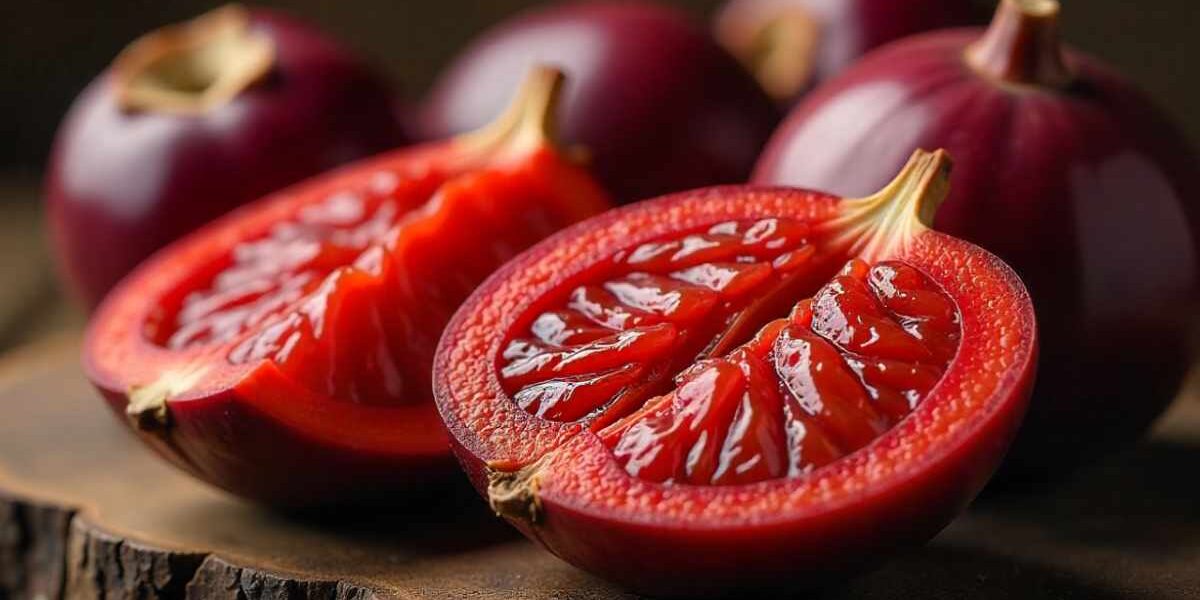
Imagine a small-to-medium fruit with a thin, slightly glossy skin—colors range from deep burgundy to warm amber depending on the variety. Inside, the flesh can be juicy or pleasantly firm, with a slightly tangy, floral flavor and a hint of sweetness. Texture-wise, it sits between a pear and a plum: biteable, not mushy, with subtle floral notes.
Nutritional Profile of žižole
Vitamins and Minerals
Žižole is notable for certain micronutrients. You’ll commonly find vitamin C (a big win for immune health), some B vitamins for energy metabolism, and minerals like potassium and magnesium that support heart and muscle function.
Macronutrients and Fiber
It’s mostly water and carbs, like most fruits, but what stands out is its fiber content. Fiber helps digestion and gives a pleasant fullness — perfect for snacks or dessert swaps. The natural sugars are balanced by fiber, making it a gentler option for blood-sugar spikes.
Antioxidants and Phytochemicals
What makes žižole especially interesting are its antioxidants — polyphenols and flavonoids that help reduce oxidative stress. These compounds are the reason fruits like berries are considered “superfoods,” and žižole sits comfortably in that company.
Top Health Benefits of žižole
Supports Digestive Health
Žižole’s fiber helps keep things moving. Soluble fiber absorbs water and forms a gentle gel in the gut — that’s good for softening stools and feeding beneficial gut bacteria. Regularly including fiber-rich fruits can improve regularity and overall gut comfort.
Boosts Immune Function
Thanks to vitamin C and various antioxidants, žižole contributes to immune defenses. Vitamin C is central to the immune response and supports the production and function of white blood cells. Add some žižole to your diet when the seasons change — it’s an easy, tasty nudge to immunity.
Promotes Heart Health
The combination of potassium, fiber, and polyphenols supports cardiovascular health. Potassium helps balance sodium and blood pressure, fiber helps lower LDL cholesterol, and antioxidants prevent oxidative damage to blood vessels. Think of žižole as a heart-friendly snack.
Helps Manage Blood Sugar
Because of its fiber and moderate sugar content, žižole is less likely to cause rapid blood sugar spikes than refined snacks. When paired with protein or healthy fat (like yogurt or nuts), it helps smooth post-meal glucose responses.
Anti-inflammatory and Antioxidant Effects
Chronic inflammation is a silent driver of many conditions. The antioxidant suite in žižole can help dial down inflammatory pathways over time. It’s not a medicine, but it’s a useful food-based tool for lowering oxidative stress.
Supports Skin Health
Vitamins, antioxidants, and hydration — all present in žižole — contribute to skin health. Vitamin C helps with collagen production, while antioxidants protect skin cells from environmental damage. A diet that includes antioxidant-rich fruits often shows up as healthier-looking skin.
How to Include žižole in Your Diet
Fresh Eating: Simple Serving Ideas
The easiest way? Eat it fresh. Rinse, slice, and enjoy as a snack. Toss it into a fruit salad, or pair slices with cheese for a quick appetizer. Žižole’s flavor plays well with both sweet and savory.
Smoothies, Salads, and Bowls
Blend žižole into smoothies with yogurt and oats for a breakfast that sticks. Chop and sprinkle into grain bowls or leafy salads for texture and a pop of acidity. It brightens both savory and sweet dishes.
Cooking with žižole: Bakes and Sauces
Žižole holds up in baking. Use it in muffins, tarts, or cakes as you would plums or pears. Simmer it down for sauces or compotes—fantastic over pancakes, yogurt, or roasted meats.
Preserves, Dried Forms, and Teas
If you get a big batch, try making jam or drying slices for later. Dried žižole can be a chewy, nutrient-dense snack. Some cultures steep the fruit or its peels into teas for a gentle, aromatic beverage.
Growing and Sourcing žižole
Home Garden Tips
If your climate allows, žižole can be grown in home gardens. Opt for well-draining soil, partial to full sun depending on the variety, and moderate watering. Prune lightly to allow air circulation and sunlight into the canopy. A small tree or bush can reward you with seasonal harvests.
Finding Fresh žižole at Markets
Look for žižole in farmers’ markets, specialty produce stores, or ethnic markets where the fruit is native. Prefer fruits that are slightly fragrant and give a little under gentle pressure — that’s the sweet spot between underripe and overripe.
Buying and Storing: Fresh vs Processed
Store fresh žižole in the fridge to slow ripening, or on the counter if you want them to soften. For longer storage, freeze them whole or as sliced pieces. Dried and preserved forms last much longer and are convenient year-round.
Potential Side Effects and Precautions
Allergies and Sensitivities
As with any food, some people might be allergic or sensitive. If you have known fruit allergies, especially to stone fruits or related families, try a small amount first and watch for reactions.
Interactions with Medications
Žižole is a food, not a drug. Still, if you’re on blood thinners, diabetes medications, or other chronic treatments, check with your healthcare provider — particularly because foods high in vitamin K or certain phytochemicals can interact with meds in rare cases.
Recommended Serving Sizes
One to two medium fruits a day is reasonable for most people. Think of it as part of your daily fruit intake. Balance it with proteins and healthy fats for best blood sugar control.
Research Snapshot: What Science Says
Small Studies and Traditional Use
Traditional medicine and regional culinary use suggest many of žižole’s benefits — from digestive support to energy boosting. Modern studies on related fruits and compounds back up the presence of antioxidants, fiber benefits, and potential cardiovascular advantages. While direct, large-scale clinical trials on žižole may be limited, the nutritional logic is solid.
Areas That Need More Research
More controlled human studies would clarify exact doses, long-term effects, and specific therapeutic benefits. Researchers are particularly interested in isolating unique phytochemicals in žižole and studying their bioactivity.
Žižole in Traditional and Modern Cuisine
Cultural Uses and Folklore
In regions where žižole is native, it carries cultural significance—used in seasonal festivals, home remedies, and family recipes passed down generations. Its flavor and aroma often tie into local culinary traditions.
Modern Recipes to Try
Try žižole chutney with grilled chicken, a žižole and oat breakfast crumble, or a chilled žižole soup with yogurt and mint. For a simple dessert, roast halved žižole with a drizzle of honey and a sprinkle of cinnamon.
Tips to Maximize Nutrient Absorption
Pairings That Help (and Those to Avoid)
Pair vitamin-C-rich žižole with iron sources (like spinach or lean meat) to boost iron absorption. Avoid pairing with excessive caffeine at the same meal if you’re aiming to maximize iron uptake.
Preparation Techniques that Preserve Nutrients
Eat some žižole raw to get the most vitamin C. Lightly cooking or roasting still retains many benefits and brings out complex flavors. Avoid long, high-heat processing if vitamin C is your main target.
Sustainability and Ethical Sourcing
Environmental Impact of Harvesting
Like any fruit, sustainable sourcing is key. Favor growers using organic or low-impact practices. Locally grown žižole reduces transport emissions and supports smaller farms.
Supporting Local Growers
Buying from farmers’ markets or community-supported agriculture programs helps local economies and often guarantees fresher, more flavorful fruit.
Summary: Who Should Try žižole?
If you like mildly sweet, tangy fruits and want a nutrient boost, žižole is worth a try. It’s particularly appealing if you’re aiming to increase fiber, antioxidants, and whole-food sources of vitamins without extra sugar. People with specific medical conditions should check with a professional first, but for most healthy adults, it’s a delicious, healthful addition.
Conclusion
Žižole may not yet be a supermarket superstar, but it’s a quietly powerful fruit that brings fiber, vitamins, antioxidants, and versatile culinary uses to the table. From digestive benefits and immune support to heart-health nutrients and skin-friendly antioxidants, žižole offers many reasons to include it in your diet. Try it fresh, baked, dried, or blended — and if you can source it locally, you’ll be doing your body and your community a favor. Want to explore recipes or growing tips? Start small and let žižole surprise you.
FAQs
For most healthy children and pregnant women, eating moderate amounts of whole fruits like žižole is safe and nutritious. However, always consult a healthcare provider if you have pregnancy-specific dietary concerns or a child with known food allergies.
Žižole can support weight management by providing fiber and satiety with relatively low calories when used instead of high-sugar snacks. It’s a helpful part of a balanced diet but not a standalone weight-loss miracle.
Ripe žižole usually gives slightly to gentle pressure and has a fragrant aroma. Color may deepen depending on variety. Avoid fruits that are overly mushy or have off smells.
Juicing removes much of the fiber, which is one of žižole’s key benefits. If you juice, consider blending instead (keeping the pulp) or pairing juice with fiber-rich foods.
Check specialty grocers, farmers’ markets, or online vendors that ship regional produce. Dried or preserved žižole products may be easier to find year-round.