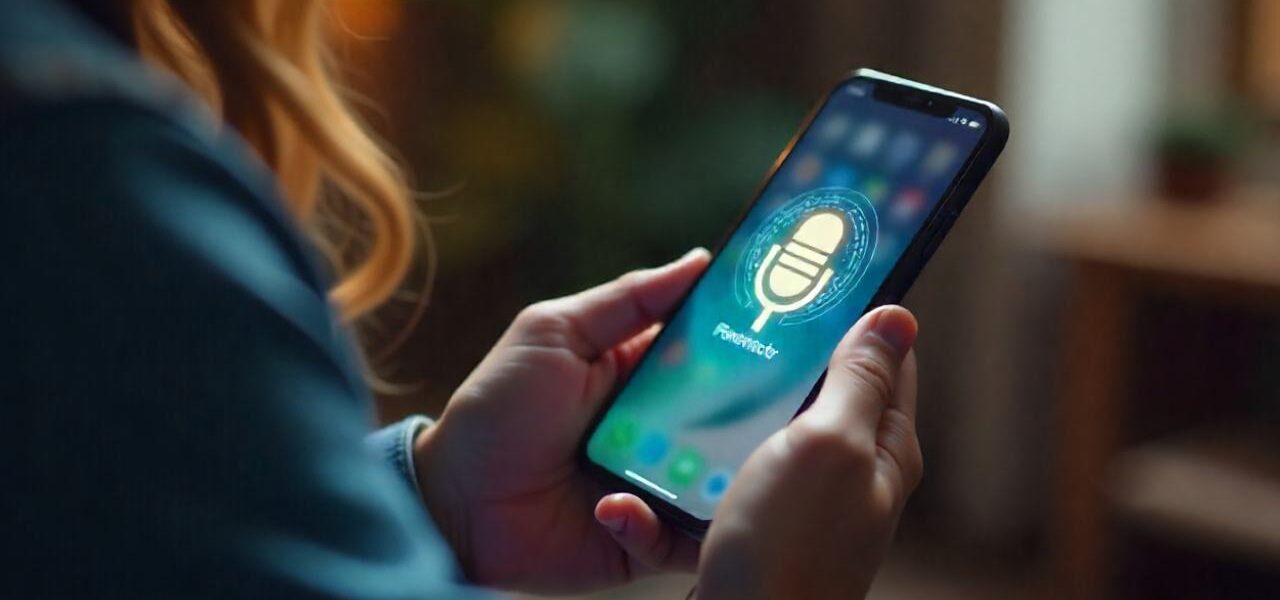
Fonendr is a voice-first platform that makes creating, discovering, and sharing short-form audio content simple — think casual conversations, micro-lessons, and live audio rooms — designed to be as effortless as speaking.
What is Fonendr?
Origins and the idea behind the name
The name Fonendr blends “fone” (phone/voice) with a modern suffix that suggests connection and discovery. The concept is straightforward: put voice front and center in digital interactions and make audio as searchable and shareable as text. This taps into the renewed appetite for audio-first experiences — podcasts, live rooms, voice notes — but packaged to suit today’s snackable attention spans.
Core purpose and target users
Fonendr targets three broad groups: casual users who prefer talking to typing, creators who want to build audio-first audiences, and small businesses/educators using voice to connect quickly with customers or students. Its promise is to lower the friction of audio creation while offering discovery tools that surface relevant content fast.
How Fonendr works: the technology stack (simplified)
Front-end: user experience and interface
From the user’s perspective, Fonendr strips down complexity. The UI centers on a single big microphone button, a discovery feed with short audio clips, and easy navigation to live rooms or scheduled talks. Visual elements are minimalist so audio takes priority — waveform previews, short automatic captions, and call-to-action overlays help bridge audio to visual quickly.
Back-end: servers, APIs, and data flow
Behind the scenes, Fonendr runs a stack optimized for real-time media streaming and scalable storage. Media servers manage uploads and live stream distribution, while APIs handle metadata, user profiles, and feed ranking. Audio files may be stored in compressed formats with auto-generated transcripts saved in search indexes to make long-form voice discoverable.
Real-time features and latency considerations
Live conversations require sub-second latency for a smooth experience. Fonendr would rely on WebRTC or similar protocols for live rooms, paired with edge servers to minimize delay. Recorded drops and voice notes use adaptive bitrate streaming to handle varying network conditions.
AI and personalization layers
AI powers recommendations, speaker identification, noise suppression, and auto-captioning. A personalization engine learns from a user’s listening history, likes, and follows to suggest sessions or creators. This AI layer also drives content moderation heuristics and can auto-generate topic tags from speech.
Key features that set Fonendr apart
Voice-first interactions and natural speech UI
Where many apps bolt on voice as a secondary feature, Fonendr treats it as the main event. Quick voice replies, short-form “drops,” and conversational threads reduce the need for editing. Users speak naturally; the app cleans and packages the audio automatically.
Smart discovery and recommendation engine
Good discovery makes or breaks platforms. Fonendr’s edge is surfacing micro-audio content tailored to your interests — whether it’s a one-minute cooking tip, a neighborhood update, or a five-minute deep dive on a niche hobby.
Privacy-first data controls
Because voice is inherently personal, Fonendr prioritizes consent: granular sharing settings (who can hear, who can download), clear TTL (how long recordings are kept), and the ability to purge or export your audio data.
Monetization for creators and businesses
Fonendr supports multiple revenue paths: direct tips, subscriptions for premium rooms, paid lessons, and sponsored short audio ads. Creator dashboards provide earnings breakdowns and listener analytics to help grow sustainable incomes.
User experience: sign-up to first use
Onboarding and first-run walkthrough
Onboarding focuses on a few short steps: pick interests, set your privacy defaults, and record a short welcome clip. The app encourages first-time users to make a one-minute audio introduction — which doubles as profile content and a low-friction entry to speaking.
Creating and sharing content or sessions
Recording is instant — press, speak, publish. Editing is minimal: trim endpoints, add a topic tag, optionally attach an image. For live rooms, scheduling options and calendar integrations make it easy to invite followers. Sharing plugs into social networks and produces short preview clips with auto-captioned snippets.
Why creators and small businesses love Fonendr
Revenue streams and audience building
Micro-audio reduces production overhead: creators can publish regularly without studio gear. Small businesses use Fonendr for quick promotions, customer updates, and local storytelling. With monetization tools, creators can convert a loyal following into income without complex setups.
Low barrier to entry for audio content
Anyone with a phone can speak. Fonendr removes long recording pipelines and heavy editing, making audio accessible to people who might otherwise never create. That democratization expands the pool of voices and diverse content.
Why casual users keep coming back
Convenience and hands-free value
Fonendr shines when users want to consume content hands-free — commuting, cooking, or jogging. The short-form format is ideal for moments where you crave snackable insights without deep commitment.
Micro-content and micro-learning appeal
People love bite-sized learning. One-minute tips, quick product reviews, or a fast recipe hack deliver value efficiently. Fonendr’s format encourages learning in micro-sessions that fit into modern schedules.
Trust, safety, and privacy: what to watch for
Data collection and consent
Voice data can reveal sensitive details — tone, location hints, and personal info. Fonendr must be transparent about what it records, how long it stores data, and how it shares insights with third parties. Users should be given clear opt-ins and export options.
Moderation and community standards
Audio moderation is harder than text. Automated detection helps flag abuse, but human moderation and robust reporting tools are crucial. Community guidelines and appeals processes give users confidence their voices won’t be silenced unfairly.
Tools for reporting and dispute resolution
Quick reporting flows, clear response timelines, and transparent outcomes are essential. Fonendr should provide users with evidence logs and show steps taken on reported items to maintain trust.
SEO and discoverability inside Fonendr
Tagging, transcripts, and searchable audio
Auto-transcription makes audio searchable — a huge SEO win. Creators can add tags and timestamps to surface highlights. These metadata elements help both in-app discovery and external search engine traction when public content is indexed.
Cross-posting and external reach
Fonendr should enable easy embedding and cross-posting. Short audio snippets with captioned text can be shared to Twitter, LinkedIn, or blogs — driving listeners back to the platform and increasing creator reach.
Business model: how Fonendr makes money
Freemium, subscriptions, and tips
A freemium model entices users with core features while locking advanced tools (advanced analytics, longer room durations) behind subscriptions. Tips and micro-payments let audiences directly support creators.
Partnerships, ads, and B2B tools
Sponsored segments and branded rooms provide ad revenue without overwhelming users. B2B solutions — like private rooms for training or customer support — offer enterprise contracts. Partnerships with learning platforms or podcast networks expand monetization.
Potential challenges and limitations
Competition and network effects
Audio platforms are crowded. Success depends on building a sticky community and unique features that encourage users to invite friends. Without strong network effects, growth stalls.
Technical debt and scaling pain points
Real-time audio scales differently than text. Edge cases like dropped audio, poor transcriptions, or latency can frustrate users. Continuous investment in infrastructure and audio quality is non-negotiable.
Roadmap possibilities and future features
Deeper AI: auto-summaries and voice translation
Imagine generating a three-sentence summary of a 20-minute room or translating a clip into multiple languages automatically. These features would expand accessibility and shareability.
Integrations with workplace tools and IoT
Integration with Slack, Zoom, or smart home devices opens new use cases: quick team standups, voice-driven knowledge bases, or voice alerts linked to home routines.
Practical tips: getting the most from Fonendr today
Profile optimization and content cadence
A clear bio, pinned intro clip, and consistent publishing schedule build credibility. Aim for short, regular uploads (2–5 minutes or micro-drops) to keep the feed fresh.
Engagement tactics and analytics use
Encourage replies, host weekly mini-rooms, and respond to listener comments. Use analytics to see which topics land and double down—if one-minute tips drive the most engagement, make more of them.
Final verdict: Is Fonendr worth your time?
If you value spoken-word content and want an easy way to produce and discover voice-first media, Fonendr is attractive — especially for creators seeking low-friction production and businesses wanting direct, human connection. Its value depends on execution: discovery quality, moderation, and monetization must work well. If Fonendr nails those, it becomes a real contender in the audio space.
Conclusion
Fonendr captures a simple truth: speaking is faster than typing, and voice can feel more personal than text. By combining easy recording, smart discovery, creator monetization, and privacy-forward choices, it promises a fresh way to create and consume content. The platform’s future will hinge on network growth, trust-building, and technical polish. For listeners, it offers convenient, hands-free value. For creators, it offers a low-barrier entry to build an audience. If you’re curious about audio-first social experiences, Fonendr is worth testing — but always protect your privacy and be intentional about the content you share.
FAQs
Most users can access Fonendr on smartphones (iOS and Android) via native apps, and on desktop through a web interface that supports audio recording and playback.
Fonendr typically auto-generates transcripts for public audio to make content searchable. Users can edit or add timestamps and tags to improve discoverability.
Yes — common monetization paths include tips, subscriptions for premium rooms, paid lessons, and sponsored content. Creator dashboards show earnings and listener metrics.
Fonendr offers privacy controls for who can join or listen, and specifies retention policies for recordings. For sensitive topics, use private rooms and check data settings before sharing.
Post consistently, create a clear pinned intro clip, engage with listeners, collaborate with other creators, and leverage tags and transcripts so your audio can be discovered both inside and outside the app.