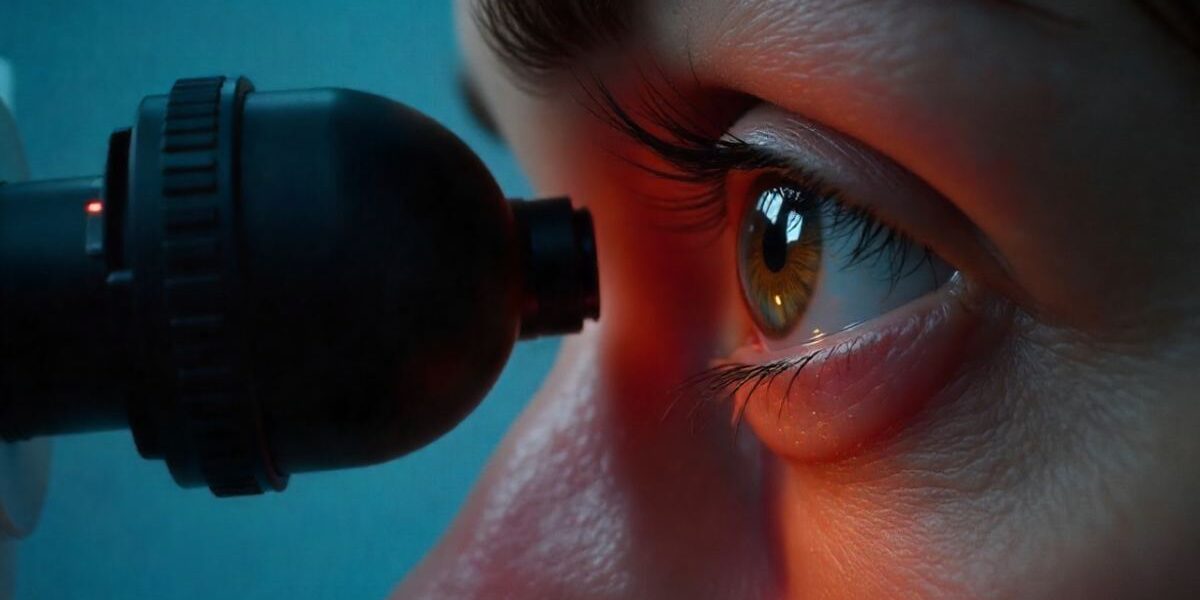
This guide walks you through what a YourRage eye injury might look like, common causes, immediate first aid, medical treatments, recovery expectations, and prevention. If you or someone experienced a sudden eye injury, this article helps you understand the steps to protect vision and get the right care.
What Is a YourRage Eye Injury?
Clarifying the Term
“YourRage eye injury” is used here as a label for an acute, traumatic eye event — whether from impact, foreign bodies, chemicals, or heat. It’s a catch-all name for any incident that causes sudden eye pain, visual change, or damage. The specifics matter: a scratch on the cornea differs from intraocular bleeding, and each needs tailored care.
How Common Are Eye Injuries Like This?
Eye injuries are more common than most people think. They range from minor corneal abrasions to severe trauma that threatens vision. Many occur at home or work — woodworking, DIY repairs, sports, and chemical handling are frequent culprits. Quick action often makes the difference between a full recovery and lasting damage.
Typical Causes of the YourRage Eye Injury
Blunt Trauma and Impact
A punch, a thrown object, or a fast-moving ball can produce blunt trauma. This may cause eyelid swelling, bruising, corneal abrasions, retinal detachment, or a hyphema (blood in the front chamber of the eye). Even if the skin looks fine, the eye can sustain internal injury.
Foreign Bodies and Debris
Dust, metal shavings, glass, and plant material can lodge on the surface of the eye or penetrate the globe. Tiny particles may feel like a persistent scratch, while sharp objects are medical emergencies.
Chemical Exposures
Acid or alkali splashes (from cleaning agents, industrial products) can severely damage cornea and conjunctiva. Alkalis are especially dangerous because they penetrate deeper and continue to burn unless neutralized and rinsed promptly.
Thermal and Radiation Injuries
Hot liquids, flames, or welding arcs can cause burns. UV radiation from welding or intense sunlight without protection leads to photokeratitis — a painful, temporary inflammation of the surface of the eye.
Symptoms to Watch For Immediately
Vision Changes and Blurriness
Any sudden change in clarity, double vision, loss of field, or flashing lights must be taken seriously. These can indicate retinal or optic nerve involvement.
Pain, Redness, and Tearing
Mild irritation may be expected with surface injuries; severe, persistent pain suggests deeper harm. Excessive tearing is a natural response but doesn’t substitute for examination.
Light Sensitivity and Floaters
A sudden increase in floaters (tiny drifting spots) or new sensitivity to light can signal retinal tears or detachment and needs urgent evaluation.
When Symptoms Indicate an Emergency
Seek immediate emergency care if there is severe pain, sudden vision loss, a visible object stuck in the eye, bleeding from the eye, chemical exposure, or if an injury follows a strong impact to the head or face.
First Aid: What to Do in the First 10–60 Minutes
Do’s: Protect, Rinse, and Seek Care
If a foreign particle is on the eyelid or surface, blink and rinse with clean water or saline. For chemical exposures, immediately flush the eye with copious water for at least 15–30 minutes while someone calls emergency services. For obvious penetrating injuries or severe trauma, shield the eye with a cup or clean cloth (no pressure) and get to an ER.
Don’ts: No Rubbing, No Pressure, No Home Remedies
Do not rub the eye — that can worsen abrasions or push a foreign object deeper. Avoid trying to remove embedded objects yourself, and never apply medications, oils, or unprescribed drops. Home remedies like milk for chemical burns are myths and can worsen damage.
Medical Evaluation and Tests You May Need
Eye Exam and Visual Acuity Tests
A clinician checks how well you can see with each eye. This baseline helps track recovery and determine if urgent intervention is necessary.
Slit-Lamp Exam and Imaging (CT/OCT)
A slit-lamp microscope lets doctors see the cornea, conjunctiva, iris, and lens in detail. For suspected internal injuries, imaging like a CT scan (for orbital fractures or intraocular foreign bodies) or OCT (optical coherence tomography) for retina assessment can be indispensable.
Fluorescein Staining and Intraocular Pressure
Fluorescein dye highlights corneal scratches under a blue light. Measuring intraocular pressure checks for glaucoma spikes following trauma. Both tests are routine after injuries.
Treatment Options Depending on Severity
Conservative Care: Drops, Patching, and Rest
Minor corneal abrasions often heal with antibiotic eye drops, lubricants, and sometimes an eye patch to reduce blinking irritation. Rest and follow-up usually resolve these within days.
Procedural Treatments: Foreign Body Removal, Sutures
Superficial foreign bodies can be gently removed by an ophthalmologist under magnification. Lacerations to eyelids or conjunctiva may require suturing.
Surgical Interventions: Vitrectomy, Corneal Repair
For intraocular foreign bodies, retinal detachment, or severe corneal damage, surgical procedures (vitrectomy, retinal reattachment, corneal graft) may be necessary. Time is important: earlier surgery often yields better outcomes.
Medications: Antibiotics, Steroids, Pain Control
Topical antibiotics prevent infection after corneal injuries. Steroids can reduce inflammation but are used cautiously. Oral pain control and anti-nausea meds help with trauma-related discomfort. Tetanus shots may be considered with penetrating injuries involving metal.
Recovery Timeline: What to Expect
Immediate (Days 0–7)
Surface abrasions often improve in 24–72 hours, with most healing by one week. Deep injuries, foreign body removal, or beginning surgical recovery will involve more intense follow-up and potential temporary vision fluctuations.
Short-Term (Weeks 2–8)
Many patients see steady improvement. Post-op inflammation fades, sutures dissolve, and visual acuity begins to stabilize. Patch therapy and drops usually taper during this period.
Long-Term (Months to a Year)
For severe injuries, full recovery may take months. Scar formation on the cornea, retinal healing, or adaptation to low vision happens over a long timeline. Some patients may require secondary procedures, vision therapy, or permanent aids.
Vision Rehabilitation and Follow-Up Care
Low-Vision Aids and Therapy
If vision loss persists, low-vision specialists can provide magnifiers, specialized lenses, or electronic aids to improve daily functioning. Training teaches patients how to use remaining vision efficiently.
Physical & Occupational Therapy for Visual Tasks
Rehabilitation focuses on reading strategies, lighting optimization, and adapting the home or workplace. Occupational therapists help retrain skills for driving, cooking, or computer use when appropriate.
Emotional and Psychological Impact
Coping with Sudden Change in Vision
An eye injury can trigger anxiety, depression, or fear of permanent loss. Allowing space to grieve and seeking psychological support is normal and healthy.
Support Resources and Counseling
Peer support groups, counseling, and vision-loss organizations offer coping strategies and practical resources. Early mental-health support improves resilience during long recoveries.
Prevention Strategies: Practical Tips
Protective Eyewear and Workplace Safety
Wear ANSI-rated safety goggles for woodworking, metalwork, labs, and construction. Sports protective eyewear should be used for ball sports, racquet sports, and paintball.
Safe Handling of Chemicals and Tools
Follow labels, store chemicals properly, and use face shields when splashes are possible. Keep chemicals away from children and never mix products without guidance.
Home First-Aid Kit Essentials
A basic kit should include sterile saline, eye wash cup, clean gauze, adhesive tape, and a protective eye shield. Include an emergency contact card with nearest ER and ophthalmologist.
When to See an Ophthalmologist vs. ER
Urgent Red Flags
Go to the ER immediately for chemical burns, penetrating injuries, sudden severe vision loss, uncontrollable bleeding, or if the eye is proptosed (bulging) after trauma.
Non-Urgent Follow-up Situations
See an ophthalmologist within 24–48 hours for persistent redness, ongoing pain, or if symptoms don’t improve after initial first aid. For minor, clearly superficial abrasions, urgent-care clinics can be a first stop.
Myths and Misconceptions
“Eye Will Heal on Its Own”
Minor problems may resolve, but guessing risks missing serious issues. If there’s pain, vision change, or any penetrating mechanism, see a professional.
“Milk for Chemical Splashes”
Milk is not a neutralizing agent and can trap chemicals or promote infection. Water or sterile saline is the only recommended immediate rinse.
Real-Life Example: A Typical YourRage Eye Injury Case Illustrative)
The Incident
A hobbyist was drilling a metal piece without safety glasses. A tiny metal shard struck the eye, causing sudden pain, tearing, and a gritty sensation.
Care Pathway and Outcome
Immediate rinsing and ER transport led to ophthalmic removal of the shard under local anesthesia, antibiotic drops, and follow-up visits. The cornea healed in a week with minimal scarring and full visual recovery in a month — a reminder that prompt care changed the outcome.
Conclusion
Eye injuries can be frightening, but knowledge is a powerful first step. Prompt first aid, avoiding dangerous home remedies, and quick professional evaluation often protect vision. Prevention — wearing proper eye protection and practicing safe handling of tools and chemicals — dramatically lowers risk. If you suspect a serious injury, treat it as an emergency: faster care often equals better outcomes.
FAQs
A small corneal scratch usually heals without permanent loss, but complications (infection, deep ulcers, or delayed healing) can threaten vision. Timely professional care and antibiotics when indicated reduce that risk.
Flush immediately for at least 15–30 minutes with clean water or sterile saline, then seek emergency medical evaluation — longer flushing is safer if exposure is severe.
Avoid using OTC redness-relief drops or any medication not prescribed after an injury. These can mask symptoms or worsen certain conditions. Use only what a clinician recommends.
It depends on the injury. Minor abrasions may allow return to light activities in a few days; deeper injuries or surgery require weeks to months and clearance from your eye doctor.
Include sterile saline or an eye wash, clean gauze, a small eye cup, adhesive tape, an eye shield (or small paper cup), and emergency contact numbers for local urgent care and an eye specialist.